
Rehabilitation library
Start with your body. Continue with a clear plan.
Explore body areas, conditions, and progressive programs. Guided exercise playback stays inside the Eilaji app.

Body areas
Choose the area that needs support
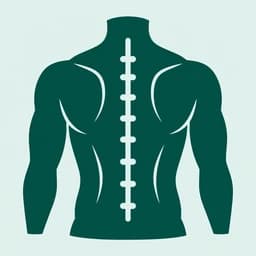
Back
The back is the region between the neck and the buttocks. It is built around the spine and two groups of back muscles, and it protects the spinal cord, keeps the body upright and helps control the movement of the upper and lower limbs.
View programs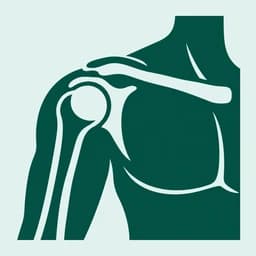
Shoulder Joint
The shoulder is one of the largest and most complex joints in the body. It is a ball-and-socket joint with the widest range of motion of any joint, allowing the arm to reach, lift, rotate and extend.
View programs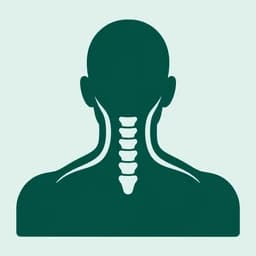
Neck
The neck supports the head and allows it to turn, tilt and bend. It is made up of seven vertebrae and the muscles that stabilise them, and it is a common site of stiffness and pain from prolonged sitting or poor posture.
View programs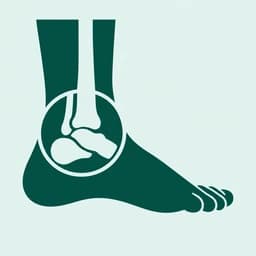
Ankle Joint
The ankle connects the leg to the foot and absorbs load with every step. It is a common site of sprains, and good ankle mobility and strength are essential for balance.
View programs
Hip Joint
The hip is a ball-and-socket joint that carries the weight of the upper body and drives walking, running and climbing. Strength and mobility here underpin balance and gait.
View programs
Knee Joint
The knee is one of the largest and most important joints in the body. It supports your weight and helps you move, walk and stay active.
View programs
Wrist Joint
The wrist and hand contain many small joints that work together for grip, pinch and fine movement. They are frequently affected by repetitive strain, arthritis and post-injury stiffness.
View programs
Elbow Joint
The elbow is a hinge joint connecting the upper arm to the forearm. It allows bending, straightening and rotation of the forearm, and it carries load during pushing, pulling and lifting.
View programs
Hand and Fingers
The wrist and hand contain many small joints that work together for grip, pinch and fine movement. They are frequently affected by repetitive strain, arthritis and post-injury stiffness.
View programsCommon programs
Progressive plans by condition
Ankle Sprain Rehabilitation Program
This rehabilitation program is designed to help individuals recover from an ankle sprain by improving mobility, restoring muscle strength, enhancing balance and stability, and supporting a gradual return to daily activities and sports.
Program details3 levelsBiceps Tendinopathy Rehabilitation Program
A progressive program to reduce shoulder pain, improve mobility, and strengthen the biceps tendon and surrounding muscles.
Program details3 levelsCarpal Tunnel Syndrome Rehabilitation Program
Carpal Tunnel Syndrome Rehabilitation Program is designed to help reduce symptoms such as wrist discomfort, tingling, numbness, and weakness in the hand. It focuses on improving wrist and hand mobility, supporting nerve movement, maintaining muscle function, and helping individuals perform daily activities more comfortably.
Program details3 levelsDisc Herniation Rehabilitation Program
Disc Herniation Rehabilitation Program is designed to help individuals manage symptoms associated with a herniated disc, improve spinal mobility, strengthen supporting muscles, and restore functional movement. The program uses gradual, controlled exercises to support daily activities and promote a safe return to normal routines.
Program details3 levelsFasciitis Rehabilitation Program
A progressive rehabilitation program designed to reduce heel pain, improve foot flexibility, and strengthen the muscles supporting the foot through targeted exercises across three levels.
Program details3 levelsFrozen Shoulder Rehabilitation Program
Frozen Shoulder Rehabilitation Program is designed to help individuals manage shoulder pain and stiffness, improve joint mobility, and gradually restore shoulder function. Through gentle stretching, controlled mobility exercises, and progressive strengthening, the program aims to make daily activities such as dressing, reaching, and lifting the arm more comfortable. Exercises should be adapted to the individual's symptoms and stage of recovery.
Program details